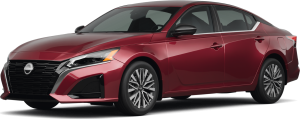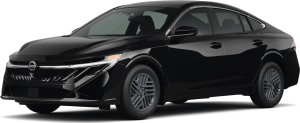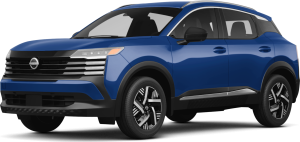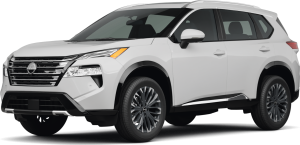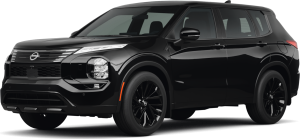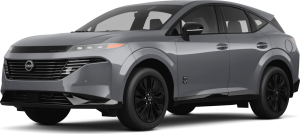



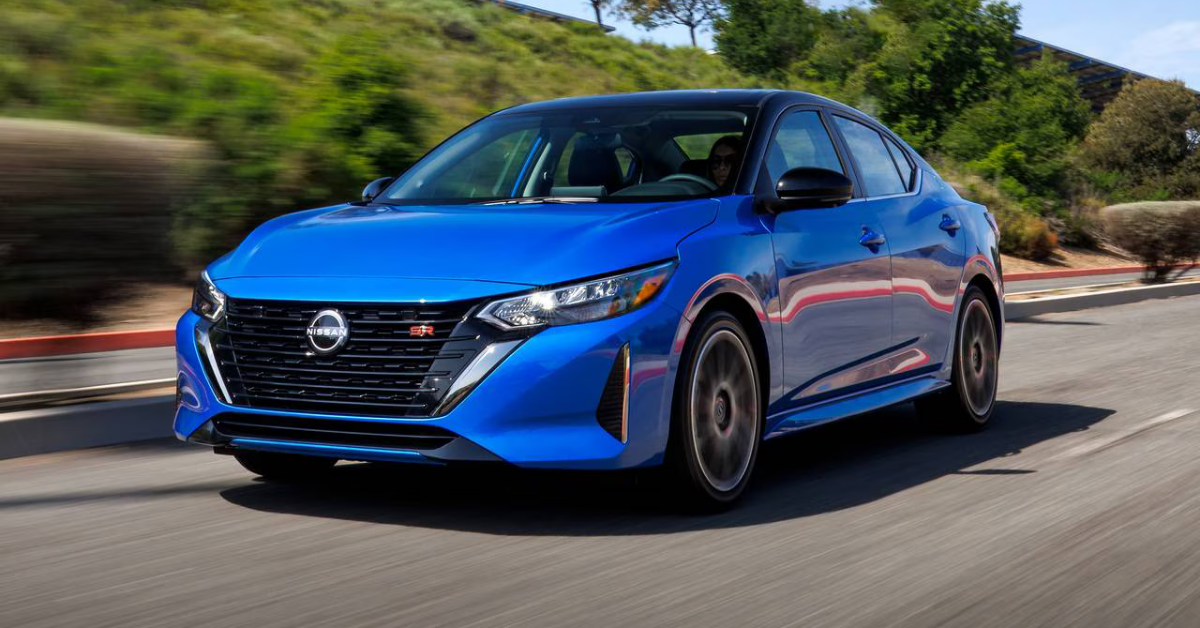
The Nissan comparable to the Honda Civic in 2026 is the Nissan Sentra. With a 149-horsepower 2.0-liter engine, up to 40 MPG highway, advanced Nissan Safety Shield 360, and a refined interior with available Zero Gravity seating, the Sentra delivers the performance, efficiency, and technology many compact sedan shoppers expect from the Civic. For drivers searching for a Nissan car like the Civic, the Sentra stands out as a smart, well-balanced alternative that competes closely in power, features, and everyday practicality.
At Mossy Nissan Chula Vista, we are proud to help drivers find the right vehicle for their lifestyle and budget. Whether you are shopping for a new Sentra, scheduling service, or looking for genuine Nissan parts, our team is here to support you at every step. Contact us today or visit our showroom to experience our commitment to customer care and explore your options in person.
How Does the Nissan Sentra Compare to the Honda Civic in Performance?
For drivers searching for a Nissan comparable to the Civic 2026 models, the performance between these two compact sedans is remarkably close. The Nissan Sentra delivers balanced power, smooth handling, and strong fuel efficiency, making it a practical alternative for daily driving.
Engine and Power Output
The Sentra is equipped with a 2.0-liter 4-cylinder engine that produces:
- 149 horsepower
- 146 lb ft of torque
- Xtronic CVT transmission with manual shift mode
The standard Honda Civic sedan features a 2.0-liter engine with 150 horsepower and a CVT. On paper and on the road, acceleration feels very similar in everyday situations such as merging, passing, or city commuting.
Fuel Economy Comparison
Efficiency is a key reason shoppers compare these models. Nissan Sentra:
- Up to 30 MPG city
- Up to 40 MPG highway
- Around 33 to 34 MPG combined
The Civic delivers comparable fuel economy, with hybrid versions offering higher numbers. For most drivers, the Sentra provides more than enough efficiency for regular commuting and highway travel.
Ride Quality and Daily Driving Feel
Beyond raw numbers, drivability matters. The Sentra offers:
- Smooth acceleration through its CVT
- Comfortable suspension tuning
- Stable handling in traffic and on highways
For buyers looking for a Nissan car like the Civic that balances performance with everyday comfort, the Sentra stands out as a well-matched competitor in the compact sedan segment.
Which Sedan Offers Better Fuel Efficiency for Daily Driving?
Fuel economy is often the deciding factor when comparing compact sedans. In a Sentra vs Civic comparable discussion, efficiency numbers are close, which makes real-world driving habits even more important.
Nissan Sentra Fuel Economy
The Sentra is rated at approximately:
- 30 MPG city
- 40 MPG highway
- 33 to 34 MPG combined
For commuters navigating stop-and-go traffic during the week and highway miles on weekends, those numbers translate to fewer fuel stops and lower overall fuel costs. The balance between power and efficiency makes the Sentra practical without feeling underpowered.
Honda Civic Fuel Economy
The standard Civic sedan offers similar fuel economy in its gasoline version. Hybrid models increase overall efficiency, which may appeal to drivers focused primarily on maximizing MPG. Typical Civic gasoline ratings are comparable to the Sentra, while hybrid trims push the numbers higher in both city and combined driving.
What Matters in Everyday Driving?
When comparing the Sentra vs Civic comparable efficiency, consider how and where you drive:
- Mostly highway commuting
- Short city trips with frequent stops
- A mix of errands, work, and weekend travel
For many drivers, the difference between these two gasoline sedans is minimal in day-to-day use. The Sentra provides competitive fuel savings while maintaining smooth acceleration and a comfortable ride. Choosing the right option often comes down to budget, preferred features, and whether hybrid technology is a priority.
How Do Interior Comfort and Cabin Quality Stack Up?
Performance and fuel economy matter, but comfort is what you notice every single day. For drivers searching for a Nissan car like the Civic, interior quality often becomes the deciding factor. The Nissan Sentra focuses heavily on delivering an upscale feel without stepping outside the compact sedan category.
Seating and Driver Comfort
One of the Sentra’s standout features is its available Zero Gravity front seats. Designed to reduce fatigue on longer drives, they provide noticeable support during daily commutes and weekend trips alike.
Key interior highlights in the Sentra include:
- Available heated front seats
- Available heated steering wheel
- Dual zone automatic climate control
- Premium cloth or available leatherette seating
The Civic also offers comfortable seating with available leather-trimmed surfaces and power-adjustable driver seats on higher trims. Both sedans provide supportive seating, but many drivers appreciate the ergonomic focus found in the Sentra.
Cabin Design and Materials
Step inside either vehicle and you will find a modern layout with clean lines and intuitive controls. The Sentra features:
- Soft-touch materials in key areas
- A refined dashboard design
- A 7-inch or an available 8-inch touchscreen display
The Civic offers a slightly larger available touchscreen on higher trims and a distinctive honeycomb-style dashboard design. Both interiors feel thoughtfully designed rather than basic.
Space and Practicality
Compact sedans need to balance passenger space with cargo capacity. The Sentra offers:
- Seating for five passengers
- Approximately 14.3 cubic feet of trunk space
- Comfortable rear seat legroom for daily use
For many households, that space is more than enough for groceries, luggage, or everyday gear. When comparing a Nissan car like the Civic in terms of comfort and cabin quality, the Sentra proves that practicality does not mean sacrificing refinement. The best way to determine which interior feels right is to sit inside, adjust the seat, and experience the layout firsthand.
What Technology Comes Standard in the Sentra vs Civic?
Technology plays a major role in choosing a compact sedan. Drivers looking for a Nissan comparable to the Civic 2026 models often want to know which vehicle delivers the most value straight from the base trim. The Nissan Sentra focuses on practical, easy-to-use technology that enhances daily driving without overwhelming the cabin.
Standard Technology in the Nissan Sentra
Even at the entry level, the Sentra includes:
- Apple CarPlay integration
- Android Auto compatibility
- Bluetooth hands-free calling and audio streaming
- A 7-inch touchscreen display (8-inch available on higher trims)
- Multiple USB ports
Higher trims add features such as:
- Intelligent Around View Monitor
- Wi Fi hotspot capability
- Premium audio system
- Larger digital driver information display
For many drivers, these features cover everything needed for commuting, navigation, and staying connected on the road.
Standard Technology in the Honda Civic
The Civic also offers strong technology features, including:
- Apple CarPlay and Android Auto
- A standard touchscreen display (la arger 9 inch available on higher trims)
- Available wireless smartphone integration
- Optional Bose premium audio system
- Digital instrument cluster on select trims
Both vehicles prioritize smartphone connectivity and intuitive controls, which are essential for modern drivers.
Which Offers More Value?
When comparing the Sentra and Civic, the difference often comes down to trim level and budget. The Sentra delivers a generous list of standard features, especially considering its price point. Many of the core technologies drivers use every day are included without requiring a move to the highest trim. For shoppers evaluating a Nissan comparable to the Civic 2026 options, it is worth looking closely at which features matter most, then comparing them side by side. Technology should feel seamless, simple, and supportive rather than complicated.
How Do Nissan Safety Shield 360 and Honda Sensing Compare?
Safety technology is often the deciding factor when evaluating the Sentra vs Civic comparable models. Both brands include comprehensive driver assistance systems designed to support awareness, reduce risk, and add confidence during everyday driving. The focus is not just on crash protection, but on prevention.
What Comes with Nissan Safety Shield 360?
The Sentra includes Nissan Safety Shield 360 as standard, which bundles several advanced features into one integrated system:
- Automatic Emergency Braking with Pedestrian Detection
- Rear Automatic Braking
- Blind Spot Warning
- Rear Cross Traffic Alert
- Lane Departure Warning
- High Beam Assist
These features work quietly in the background. Whether navigating crowded city streets or merging onto the highway, the system helps monitor surroundings and alert the driver when necessary.
What Does Honda Sensing Include?
Honda Sensing also offers a strong suite of safety technologies, such as:
- Collision Mitigation Braking System
- Road Departure Mitigation
- Adaptive Cruise Control
- Lane Keeping Assist System
- Traffic Sign Recognition on select trims
Like Nissan’s system, Honda’s technology focuses on assisting the driver rather than replacing them.
Key Differences to Consider
When comparing the Sentra and Civic:
- Both provide automatic emergency braking and lane-related support
- The Sentra includes rear automatic braking as part of its standard package
- Adaptive cruise control is emphasized within Honda’s system
- Feature availability can vary depending on trim level
For many drivers reviewing Sentra vs Civic comparable options, the decision may come down to which specific features feel more intuitive during real-world driving. Spending time understanding how each system operates can help clarify which safety approach best fits daily routines and personal driving style.
What Trim Levels Are Available for the Sentra and Civic?
Understanding trim levels helps drivers see which features and options fit their needs and budget. The Sentra and Civic both offer multiple trims that build on core functionality with added comfort, technology, and style enhancements.
Nissan Sentra Trim Options
The Sentra provides a straightforward lineup that emphasizes comfort and value:
- S – The base model offers standard safety features, an 8-inch touchscreen, and essential tech for daily driving.
- SV – Adds convenience and comfort upgrades like heated seats, dual-zone climate control, and upgraded audio.
- SR – Focused on sportier styling with premium interior touches, enhanced infotainment, and unique exterior accents.
Each trim balances affordability with additional features, making it easier for buyers to select the version that matches their priorities.
Honda Civic Trim Options
The Civic has a broader range of trims designed to cater to both efficiency-focused drivers and performance enthusiasts:
- LX – The standard trim includes essential safety and tech, offering reliable everyday usability.
- Sport – Adds sportier styling elements and additional connectivity options.
- EX / EX-L – Focuses on comfort and technology, including upgraded audio and driver-assist features.
- Touring – Premium features like leather seating, advanced navigation, and high-end interior touches.
- Type R – High-performance hatchback with a turbocharged engine, sport-tuned suspension, and track-ready capabilities.
Comparing Sentra vs Civic Trims
- The Sentra emphasizes simplicity and practical upgrades across three trims, making it easier to choose.
- The Civic offers more variation, catering to drivers seeking performance, tech, or luxury within the compact sedan segment.
- For buyers prioritizing a Nissan car like the Civic, understanding these trim distinctions helps match their driving needs with the right configuration.
This trim comparison allows drivers to evaluate which model aligns with their daily routine, preferred features, and budget considerations.
Is the Nissan Sentra a Smart Alternative to the Honda Civic?
For drivers comparing compact sedans, the Sentra emerges as a practical choice for those considering the Honda Civic. It offers many of the features and efficiencies that make the Civic appealing, while maintaining a slightly different approach to comfort, technology, and daily usability.
Key Reasons the Sentra Stands Out
- Efficient Performance – The Sentra’s 2.0L 4-cylinder engine with Xtronic CVT provides smooth, predictable power, delivering strong highway fuel economy and reliable city driving.
- Comfort-Focused Interior – With available Zero Gravity seats and thoughtful cabin design, the Sentra makes everyday commuting and longer drives more enjoyable.
- Modern Technology – Standard Apple CarPlay, Android Auto, and an 8-inch touchscreen make connectivity easy, while driver-assist systems enhance safety.
- Trim Flexibility – Three well-defined trims allow buyers to prioritize value, convenience, or sportier styling without overcomplicating the decision.
Practical Advantages for Everyday Drivers
- The Sentra balances fuel efficiency, comfort, and safety, making it a strong contender for those who want a Nissan comparable to the Civic 2026.
- It appeals to drivers who value simplicity without sacrificing key features, offering a straightforward, dependable alternative in the compact sedan segment.
- For anyone weighing options in this category, the Sentra delivers the essentials while adding a refined touch to the daily driving experience.
This combination of efficiency, comfort, and technology positions the Sentra as a smart alternative for drivers considering a Honda Civic but looking for a Nissan option that aligns with their lifestyle and priorities.
Frequently Asked Questions About the Nissan Sentra vs Honda Civic
Which Nissan most closely matches the Honda Civic in driving dynamics and features?
The Nissan Sentra is the closest match, offering similar compact sedan dimensions, a comfortable ride quality, and technology designed for everyday commuting.
How do engine performance and transmission options compare?
The Sentra features a 2.0L 4-cylinder engine producing 149 horsepower with an Xtronic CVT, while the Civic’s base engine offers 150 horsepower with a CVT; both provide smooth acceleration suitable for city and highway driving.
Which Nissan offers similar infotainment and safety tech?
The Sentra includes an 8-inch touchscreen, Apple CarPlay and Android Auto, and standard Nissan Safety Shield 360, providing comparable connectivity and driver-assist features to the Civic’s infotainment and Honda Sensing suite.
Which model is a better value for Civic-minded buyers?
The Sentra delivers competitive pricing, strong fuel efficiency, and standard safety features, making it an appealing option for buyers looking for practical daily driving without premium costs.
Are there price or warranty advantages with the Nissan alternative?
The Sentra offers similar or slightly lower starting prices compared to the Civic, along with Nissan’s standard warranty coverage, which includes 3 years/36,000 miles basic and 5 years/60,000 miles powertrain protection.
Explore Nissan Options and Learn More About Compact Sedans
If you’re weighing which Nissan fits your needs compared to the Honda Civic, the Sentra offers a practical balance of comfort, technology, and efficiency in a compact sedan package. For drivers in San Ysidro, Imperial Beach, and San Diego, browsing our wide selection lets you see how the Sentra performs in everyday driving, from city commutes to weekend trips. Understanding features and long-term ownership factors can make choosing the right compact sedan much easier. You can review standard features Sentra, check sedan depreciation analysis, or explore best-priced sedans to see which model aligns with your budget and lifestyle. These resources help clarify why the Sentra is a strong alternative for drivers considering a Civic.
Get Directions to Mossy Nissan Chula Vista
Disclaimer: All information is provided for general informational and entertainment purposes only. While we strive for accuracy, we cannot guarantee that all content is complete, current, or error-free. Any reliance you place on such information is strictly at your own risk. This article may include opinions and is not endorsed by, or officially affiliated with, any vehicle manufacturer or brand. Always consult official sources – such as the vehicle’s owner’s manual, authorized dealerships, or certified professionals – for the most up-to-date and personalized information.